Publications
Publications and writings
Research in the philosophy of mind and psychiatry, books, translations and popular essays. The full list is below, newest first.
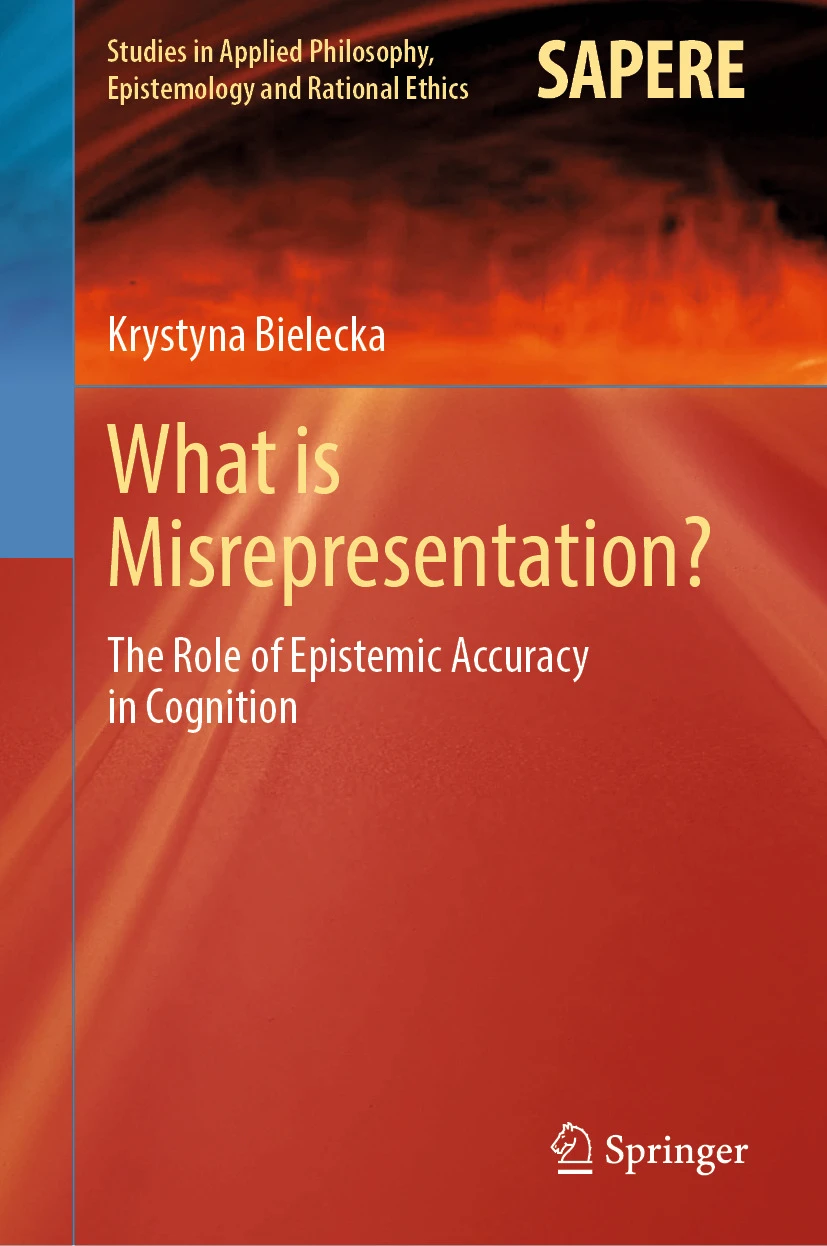
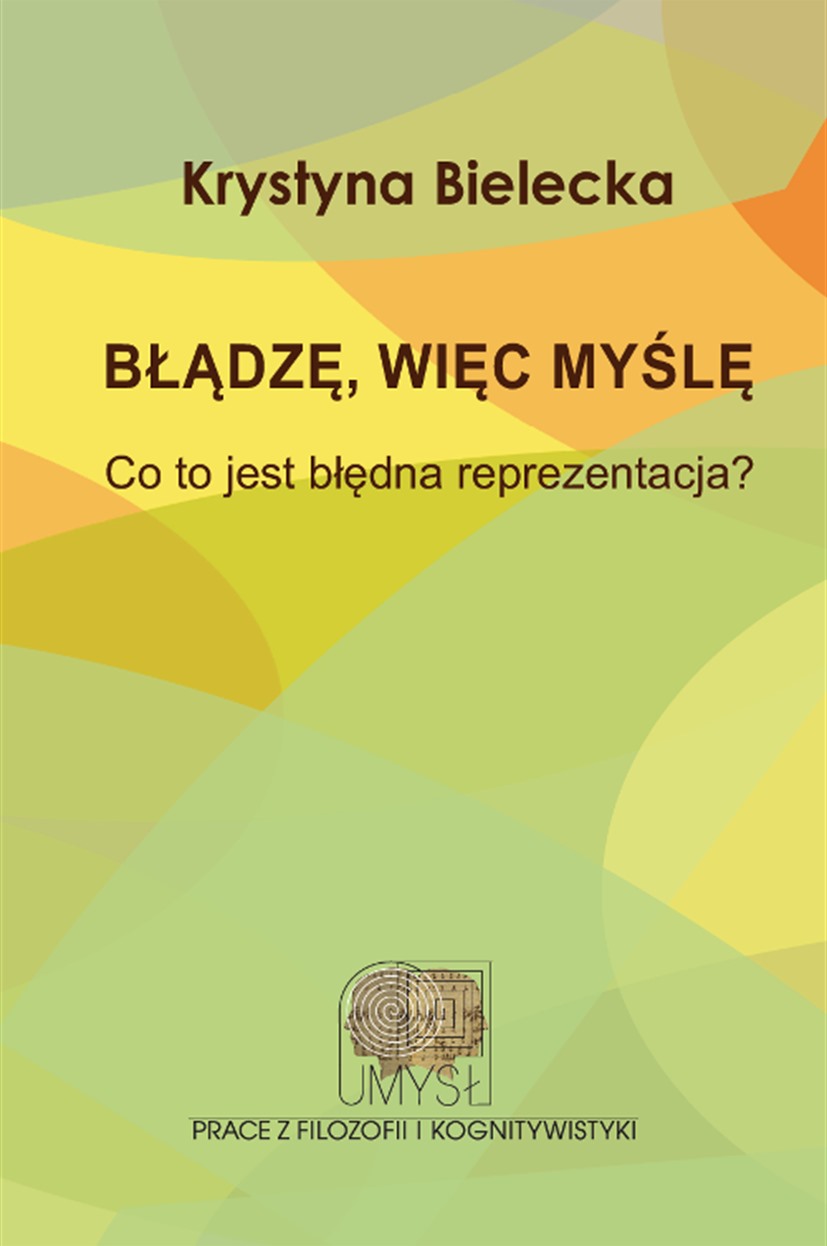
Research papers and chapters
- Bielecka, K. (2026). The content-binding problem in radical enactivism: A case study of Korsakoff’s syndrome. Philosophical Explorations, 0(0), 1–19. https://doi.org/10.1080/13869795.2026.2693484
- Bielecka, K., & Miłkowski, M. (2026). Contentful skills: Procedural memory and the representational challenge to non-representational cognition. Mind & Language, mila.70057. https://doi.org/10.1111/mila.70057
- Bielecka, K. (2024). Confabulations in Korsakoff’s syndrome: Defending an error-based account. Erkenntnis. https://doi.org/10.1007/s10670-024-00857-w
- Bielecka, K., & Miłkowski, M. (2024). Representationalism and rationality: Why mental representation is real. Synthese, 203(5), 161. https://doi.org/10.1007/s11229-024-04540-z
- Bielecka, K., & Miłkowski, M. (2020). Error detection and representational mechanisms. In J. Smortchkova, K. Dołęga, & T. Schlicht (Eds.), What are mental representations? (pp. 287–313). New York: Oxford University Press. https://doi.org/10.1093/oso/9780190686673.003.0011
- Bielecka, K. (Ed.). (2020). Special issue: History and philosophy of madness. Avant, 1/2020.
- Bielecka, K. (2020). Może błądzę, ale jednak myślę. Odpowiedź na uwagi krytyków do książki Błądzę, więc myślę. AVANT. The Journal of the Philosophical-Interdisciplinary Vanguard, 11(3). https://doi.org/10.26913/avant.2020.03.42
- Bielecka, K., P. Kozak, & J. Matyja (Eds.). (2019). Special issue: What is thinking with images?. Avant. https://doi.org/10.26913/avant.2019.02.08
- Bielecka, K. (2019b). Is there any chance for a biologically-oriented history of psychiatry? Avant, 11(1), 1–11. https://doi.org/10.26913/avant.2020.01.03
- Bielecka, K., & Marcinów, M. (2017). Mental misrepresentation in non-human psychopathology. Biosemiotics, 10(2), 195–210. https://doi.org/10.1007/s12304-017-9299-2
- Bielecka, K. (2017a). Semantic internalism is a mistake. Internetowy Magazyn Filozoficzny HYBRIS, (38), 123–146. https://doi.org/10.18778/1689-4286.38.08
- Bielecka, K. (2016). Symbol grounding problem and causal theory of reference. New Ideas in Psychology, 40, 77–85. https://doi.org/10.1016/j.newideapsych.2015.01.006
- Bielecka, K. (2015). Why Taddeo and Floridi did not solve the symbol grounding problem. Journal of Experimental & Theoretical Artificial Intelligence, 27(1), 79–93. https://doi.org/10.1080/0952813X.2014.940138
- Bielecka, K. (2014a). Błędne reprezentacje a pojęcie funkcji w teleosemantyce. Analiza koncepcji Dretskego i Millikan. Filozofia Nauki, 1(85), 105–120. fn.uw.edu.pl
- Bielecka, K. (2014b). Spread mind and causal theories of content. AVANT. The Journal of the Philosophical-Interdisciplinary Vanguard, 5(2), 87–97. https://doi.org/10.26913/50202014.0109.0004
- Bielecka, K. (2013a). How truth could be reduced? Field’s deflationism as a kind of supervenience thesis. In M. Miłkowski & K. Talmont-Kamiński (Eds.), Regarding the mind, naturally: Naturalist approaches to the sciences of the mental (pp. 248–261). Newcastle upon Tyne: Cambridge Scholars Publishing.
- Bielecka, K. (2013b). Identycznościowa teoria prawdy a procesualizm w filozofii umysłu. In A. Dębska, M. Łuniewska, E. Młożniak, & M. Stanik (Eds.), III i IV Studenckie Forum Badań nad Językiem (pp. 100–107). Wydawnictwo Ośrodek Badań Filozoficznych.
- Bielecka, K. (2013c). Rola prawdy w teorii umysłu. Krytyczne ujęcie klasycznej relacji korespondencji ze względu na model racjonalności. In A. Dębska, M. Łuniewska, E. Młożniak, & M. Stanik (Eds.), III i IV Studenckie Forum Badań nad Językiem (pp. 8–14). Wydawnictwo Ośrodek Badań Filozoficznych.
- Bielecka, K. (2012). Biosemiotics and constructivism: Strong allies. Constructivist Foundations, 7(3), 228–230. constructivist.info
Translations
- Dennett, D. C. (2017). Od bakterii do Bacha: o ewolucji umysłów. Trans. Krystyna Bielecka & Marcin Miłkowski. Kraków: Copernicus Center Press.
- Dretske, F. I. (2014). Błędna reprezentacja. Trans. Krystyna Bielecka. Przegląd Filozoficzno-Literacki, (2(39)), 39–58.
- Gould, S. J., & Lewontin, R. C. (2011). Pendentywy w katedrze św. Marka a paradygmat Panglossa. Krytyka programu adaptacyjnego. Trans. Krystyna Bielecka. Przegląd Filozoficzno-Literacki, 2–3(31), 63–85.
Book reviews
- Bielecka, K. (2007). Myślenie mniej boli (book review). Etyka. https://doi.org/10.14394/etyka.1158
Popular essays
- Bielecka, K. (2025). The error that lies: How teleosemantics illuminates memory and confabulation. The Memory Palace. thememorypalacephil.substack.com
- Bielecka, K. (2019). W tym szaleństwie jest metoda. Zaburzenia psychiczne u zwierząt. Filozofia w Praktyce. filozofiawpraktyce.pl
- Bielecka, K. (2017). Czy maszyny mogą mieć emocje? Filozofuj!, 4(16), 12–14. filozofuj.eu